Is Sweet Tooth Comic a Masterpiece? A Deep Dive into Jeff Lemire’s World
Hook
You pick up a book about a boy with antlers, expecting a fairy tale. What you get is a raw punch to the gut. Jeff Lemire’s Sweet Tooth comic isn’t just a story; it’s a haunting survival ballad drawn in watercolor tears. Most people who stop reading halfway just weren’t ready for how heavy it gets. But the ones who finish it, they never forget it.
The Complete Sweet Tooth Comic Universe Explained
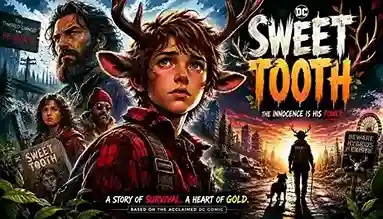
The Sweet Tooth comic stands as a crowning achievement in post-apocalyptic storytelling. Jeff Lemire wrote and illustrated the entire series himself, giving it a singular, unmistakable voice. The story follows Gus, a gentle hybrid boy raised in isolation by his devout father. When his father dies from a plague, Gus steps into a shattered world. The outside is nothing like the quiet woods he knows. Hunters roam the land. Mysteries pile up around the origin of hybrids like him. This isn’t a superhero yarn.
It’s a gut-level exploration of survival and innocence. The Sweet Tooth comic blends brutal human darkness with a persistent, childlike hope. You feel the texture of the decaying world on every page. Lemire’s scratchy ink lines and muted watercolor palette make the whole experience feel like a fragile, beautiful dream.
Gus quickly meets a gruff ex-hockey enforcer named Tommy Jepperd. Their bond becomes the trembling heartbeat of the entire Sweet Tooth comic. Jepperd doesn’t want to care. He’s done terrible things to survive. Yet Gus’s unwavering trust in him forces a slow, painful transformation.
The dynamic feels raw and completely earned. The deeper they wander into the American wasteland, the stranger the truth gets. Are the hybrids a genetic accident or something far more mythological? The Sweet Tooth comic never tells you what to feel.
It presents a dark path and walks it with you. Lemire taps into universal fears about protecting the innocent inside a world gone completely mad. This book stays with you long after you close the final issue. It asks the hardest question: what does it actually mean to be human?
The Mastermind: Jeff Lemire’s Vision for the Sweet Tooth Comic
Jeff Lemire created the Sweet Tooth comic as an intensely personal project. Unlike mainstream superhero books, this story blended his literary sensibilities with a rural, almost gothic visual style. He didn’t outsource the art. Every panel came straight from his hand to the page.
This created a perfect marriage of tone and text. The reader feels his complete control over the pacing. Lemire grew up in a small town, and you see that isolation seep into the woodlands of Gus’s sanctuary. The Sweet Tooth comic feels different because it isn’t a corporate product. It’s a singular artistic vision. He treats the dystopian concept not as an action blockbuster but as a quiet, devastating character study.
The writer-artist used specific tools to shape the book’s mood. His lines look urgent, even desperate. The watercolors feel like faded memories. This distinct aesthetic makes the Sweet Tooth comic instantly recognizable on the shelf. Lemire has stated he wanted to create a mythology centered around loss and fatherhood. The narrative consistently returns to these ideas.
The horror isn’t just the disease; it’s the breakdown of parental protection. Lemire’s own roots in the indie comics scene allowed him to take massive narrative risks. He kills off key characters without warning. He changes the setting completely between story arcs. The Sweet Tooth comic rewards brave storytelling because Lemire himself never flinches.
What is the Main Story of the Sweet Tooth Comic?
The Sweet Tooth comic starts with a deadly pandemic called The Sick.Most people are wiped out by this epidemic.. Simultaneously, animal-human hybrids start being born. Nobody knows why. Gus, a deer-boy, lives hidden in a forest cabin with his religious father. His father drills a single rule into his head: never leave the woods. The outside is full of fire and blood. When his father finally dies, Gus faces the world alone. He is entirely unprepared. His innocence is a bright flare in a dark landscape. The Sweet Tooth comic wastes no time throwing him into mortal danger.
Gus gets captured by sadistic hunters who see hybrids as less than vermin. Enter Tommy Jepperd, a violent drifter who saves him for selfish reasons. He plans to trade Gus for something he wants. Their journey takes them through refugee camps, militia strongholds, and abandoned highways.
Gus believes in a mythical safe haven called “The Preserve,” a place his father promised him. The duo’s road trip slowly reveals the horrifying truth behind the plague. The Sweet Tooth comic peels back layers of a massive conspiracy involving scientific experiments and indigenous mysticism. The ending arrives at a place that feels cosmic, tragic, and strangely beautiful. It’s a story that tricks you into reading a fantasy, only to reshape what you believe about destiny.
Central Characters Who Shape the Sweet Tooth Comic
The Sweet Tooth comic survives on the strength of its characters. They are broken, morally messy, and deeply real. Lemire avoids clear heroes. Everyone carries visible scars from the old world. The emotional weight of the story comes from watching them change.
- Gus (Sweet Tooth): The naive heart of the narrative. His optimism is stubborn. He refuses to accept cruelty as normal.
- Tommy Jepperd: A violent loner who seeks redemption through protecting Gus. His past is a gallery of horrors.
- Dr. James Thacker: Perspective shifts to him later in the series. He’s a scientist whose journal reveals the origin of the plague.
- Bobby: A groundhog-hybrid girl whose arrival brings warmth and a new sense of purpose to the group.
- Abbot: The fanatical antagonist. He runs a militia that treats hybrids as abominations. A dark mirror to organized religion run amok.
The Sweet Tooth comic allows these characters to fail spectacularly. Jepperd makes monstrous decisions early on. Gus lies and manipulates to hold onto his beliefs. The villains have coherent, terrible philosophies. The character arcs aren’t simple redemptions. They’re complex negotiations with guilt. The relationships feel tactile. The dialogue can shift from tender to terrifying within a single page turn. The voice of each character remains distinct throughout the 40-issue run. This consistency in the Sweet Tooth comic grounds the wilder mythological elements in solid emotional truth.
Table: Core Character Evolution in the Sweet Tooth Comic
| Character | Starting Arc | Internal Conflict | Final Transformation |
| Gus | Sheltered child hiding in a church | Faith versus grim reality | A leader with hard-earned wisdom |
| Jepperd | Selfish mercenary and former killer | Guilt and the monster within | Selfless protector (father figure) |
| Dr. Thacker | Man of logic investigating a mystery | Scientific reason versus spiritual myth | A broken prophet of doom |
| Bobby | A silent, traumatized survivor | Fear of attachment | The voice of unconditional love |
| Abbot | Charismatic survivalist | Divine purpose versus pure hatred | Complete descent into madness |
This detailed mapping of character psychology makes the Sweet Tooth comic an emotionally intelligent read. The changes feel organic, never forced just to push a plot point.
Major Themes and Symbolism in the Sweet Tooth Comic
The Sweet Tooth comic operates as a dark fable. It uses dystopian imagery to dissect modern fears. The central theme revolves around innocence and its response to systemic evil. Gus is the sacrificial lamb thrust into the wild. Lemire constantly builds scenes that test faith and morality.
- Parenthood and Legacy: Every father figure in the book influences the future. The story examines what we owe our children.
- Science versus Spirituality: The Sweet Tooth comic refuses to pick a side. It merges ancient prophecies with genetic tests.
- Survival and Humanity: The characters constantly ask if it’s better to die human or live as a beast.
- Identity: Hybrids serve as a metaphor for anyone marked as “other” by society. Their physical differences reveal the ugliness of prejudice.
Religious allegory flows through the text organically. Gus is a messianic figure who doesn’t know he’s divine. The promise of Alaska represents a Promised Land. But the Sweet Tooth comic subverts simple happy endings. The promised land is exactly what you carry inside yourself. The storytelling uses deer antlers and animal features as symbols of a purer connection to nature.
The disease symbolizes a sick civilization cleaning its slate. Lemire avoids preachy statements. He lets the visuals carry the symbolism. The silent panels in the Sweet Tooth comic often scream louder than the dialogue balloons.
How the Sweet Tooth Comic Differs from the Netflix Show
Many people found the Sweet Tooth comic only after watching the streaming show. The core premise looks identical. The execution feels completely different. The comic is a hard-edged horror story wrapped in grief. The show softens the edges considerably. This isn’t a quality judgment; it’s a tonal shift. The Sweet Tooth comic does not flinch away from grisly violence and spiritual despair. The television series adds a layer of whimsical adventure and hope from the very first episode.
The comic’s portrayal of Jepperd is significantly darker. He does truly unforgivable things. His path back from the abyss takes much longer and seems impossible. The show introduces additional characters like Bear and keeps some comic characters alive far longer for narrative convenience. The Sweet Tooth comic remains a tighter, bleaker meditation on death. The religious and mythological aspects feel more ambiguous in the book.
The show explains the science early; the comic keeps it a terrifying mystery until the final act. Fans of the show should prepare themselves. The comic is the raw nerve; the show is the soothing balm applied over it. Both deserve praise, but the Sweet Tooth comic demands a stronger stomach.
The Visual Artistry: How Watercolors Built a Masterpiece
Jeff Lemire’s art is the most argued aspect of the Sweet Tooth comic. New readers sometimes call it crude or rushed. This misses the point entirely. The sketchy, raw aesthetic communicates emotional instability. The world is literally falling apart, and the art reflects that decay.
He used watercolor washes that bleed outside the lines, creating a constant sense of melancholy and fragility. The landscape of dead woods and broken fences feels desolate but beautiful. The Sweet Tooth comic relies on visual storytelling during its most powerful moments.
When Gus feels pure terror, the panels tighten into cramped, claustrophobic squares. When characters find a moment of peace, the layout expands into wide, silent vistas. The character designs stick with you. Gus’s big, unblinking eyes hold a universe of sadness. The violence is messy and unglamorous. Lemire doesn’t draw cinematic, clean fight scenes.
He draws desperate struggles for life. The coloring choices in the Sweet Tooth comic shift between arcs. Flashbacks look warmer, almost sepia-toned. The present feels cold, washed out, and sickly. This deliberate roughness elevates the comic into fine art territory. It proves you don’t need hyper-realism to break a reader’s heart.
A Complete (No-Spoiler) Reading Order for New Fans
Starting the Sweet Tooth comic is easy because it’s a finite story. You don’t need decades of continuity. You just need to start at the beginning and push through. The series originally ran for 40 issues. DC released these under the Vertigo imprint.
The standard reading path:
- Volume 1: Out of the Deep Woods (Chapters 1-5)
- Volume 2: In Captivity (Chapters 6-11)
- Volume 3: Animal Armies (Chapters 12-17)
- Volume 4: Endangered Species (Chapters 18-25)
- Volume 5: Unnatural Habitats (Chapters 26-32)
- Volume 6: Wild Game (Chapters 33-40)
For the cheapest entry point, grab the collected trade paperbacks. If you want the definitive experience, buy the Sweet Tooth Compendium. This giant paperback collects the entire saga in one massive book. There is also Sweet Tooth: The Return, a brief sequel mini-series from 2020.
Do not read this until you finish the main book. The Sweet Tooth comic demands a straight-line read. Skipping issues or reading summaries won’t give you the same emotional impact. Lemire built the pacing like a tightening noose. Every quiet moment makes the loud moments louder.
The Legacy and Collectibility of the Sweet Tooth Comic
The Sweet Tooth comic has quietly become a modern classic. Critics place it beside Y: The Last Man and The Walking Dead for its emotional depth. The Netflix adaptation boosted its cultural footprint massively. First printings of the early single issues now command high prices on the collector market. A mint condition Sweet Tooth #1 remains a grail item for many collectors. The Sweet Tooth comic proves that creator-owned stories can resonate globally without selling out. Its legacy is one of integrity.
Lemire retained control over his universe. This allowed the story to end exactly as he intended. No editorial mandates forced a happier ending or a spin-off. The complete storytelling resonates with readers tired of never-ending corporate superhero cycles. The Sweet Tooth comic influences young cartoonists today. Its watercolor aesthetic popularized a specific style of “ugly-beautiful” comic art.
Libraries and schools increasingly stock compendiums because the anti-discrimination themes spark genuine discussion. The legacy isn’t just about sales numbers. It’s about inspiring creators to take ugly, personal risks. The comic stands as a monument to the idea that sadness can sell.
Common Questions Regarding the Sweet Tooth Comic
Is the Sweet Tooth comic suitable for young readers?
The Sweet Tooth comic is not intended for young children. The story includes graphic violence, dark thematic material, and harsh language. It originally carried the Vertigo mature readers label. The hybrid characters look cute, but the themes dig into trauma and genocide. Teenagers ready for serious dystopian literature will find it valuable.
How many issues are in the Sweet Tooth comic series?
The main Sweet Tooth comic series consists of 40 single issues. Jeff Lemire wrote and drew every single one. He later returned for a short sequel called The Return, which added six more issues for closure.
Does the Sweet Tooth comic have a definitive ending?
Yes. The Sweet Tooth comic provides full narrative closure. It offers an ending that is tragic, mythic, and emotionally resonant. It doesn’t set up a shared universe; it concludes Gus’s journey in a definitive, satisfying way.
Is the Sweet Tooth comic better than the TV show?
The Sweet Tooth comic offers a much darker and artistically distinct experience. The TV show adapts the premise into an uplifting adventure. “Better” depends on your taste for grit. The comic is raw and terrifying; the show is warm and fantastical.
What is the meaning of the Sweet Tooth comic title?
The title refers to Gus’s love for candy. His father used candy bars as a symbolic reward. “Sweet Tooth” becomes a representation of clinging to childhood innocence and simple comfort inside a completely brutal world.
Who is the main villain in the Sweet Tooth comic?
The primary human antagonist is Abbot, a militaristic cult leader. The deeper antagonist remains the disease itself and mankind’s capacity for cruelty. The Sweet Tooth comic treats systemic ignorance as the final boss.